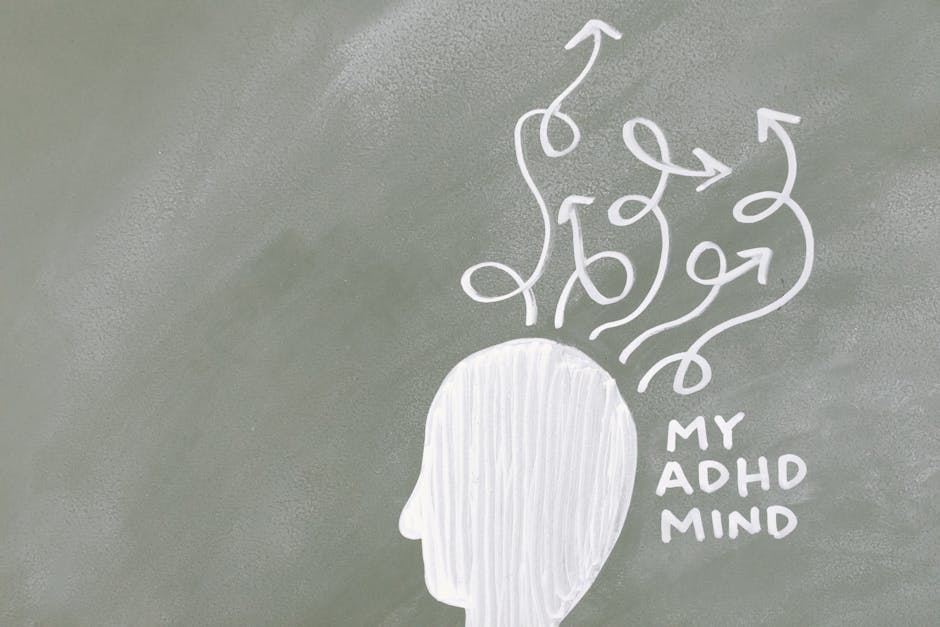
The narrative surrounding Attention-Deficit/Hyperactivity Disorder (ADHD) medications has long focused on their ability to boost focus and curtail impulsive behaviors. However, a groundbreaking new study, still developing in the Health sector, is turning conventional wisdom on its head. Researchers are discovering that these drugs might not be acting in the ways we initially believed, leading to a deeper understanding of ADHD and potentially informing future treatment strategies. While stimulants and non-stimulants used to treat ADHD have a well-documented impact on brain chemistry, the precise mechanisms underlying their effectiveness have been elusive. The new research, conducted at the prestigious Johns Hopkins University School of Medicine, suggests that the story is far more nuanced. Initial findings, published in the *Journal of Neuroscience*, are pointing towards a re-evaluation of how these medications actually influence neuronal pathways, cognitive function, and even emotional regulation. "We were always taught that ADHD medications primarily enhanced the availability of key neurotransmitters, like dopamine and norepinephrine, in the prefrontal cortex, leading to better focus,” explains Dr. Evelyn Reed, lead researcher on the study. “But the picture that's emerging is more complex. It's almost as if the drugs aren't necessarily *increasing* those chemicals directly, but rather, *optimizing* the way the brain uses them. It's like tuning an instrument; not necessarily adding more strings, but making the existing strings resonate more clearly.” ## Rethinking the Mechanism: Is It About Optimization, Not Just Amplification? The research dives deep into the intricate neurochemical dance that underlies cognitive processes. The conventional understanding involved these drugs directly raising the levels of neurotransmitters crucial for attention and impulse control. The Johns Hopkins study, however, shows the drugs could be changing how the brain networks related to dopamine and norepinephrine are working. The study suggests medication could be improving the efficiency with which these chemicals are used. This optimization approach, versus simple amplification, changes the way we can look at ADHD treatments going forward. This shift in perspective is critically important. If the primary action is optimization, it explains some long-observed phenomena, such as the effectiveness of lower doses and why individual responses to the same medication can vary dramatically. It also implies that treatments could be developed to further refine the optimization process, potentially reducing the side effects commonly associated with ADHD medications. ## The Future of ADHD Treatment: Personalized Approaches The implications of this research are far-reaching. This research potentially opens doors to crafting personalized treatment strategies that move beyond a one-size-fits-all approach. For example, some individuals might benefit from therapies that enhance the brain's natural optimization processes rather than solely relying on medication. “This is a very exciting juncture in ADHD research,” says Sarah Williams, a spokesperson for the National Institute of Mental Health (NIMH). “Understanding the true mechanisms of these medications is critical to advancing treatment options and ensuring the best possible outcome for individuals with ADHD. We are looking forward to future studies that expand on these initial findings and could very well shape the future of care.” This study is a developing story, and further research is needed to solidify the findings and identify the precise biological adjustments that are triggered by ADHD medications. However, this is a substantial step in refining the understanding of the way these drugs interact with the brain. It also paves the way for a more targeted and effective approach to managing this complex neurodevelopmental disorder.
Comments
Post a Comment