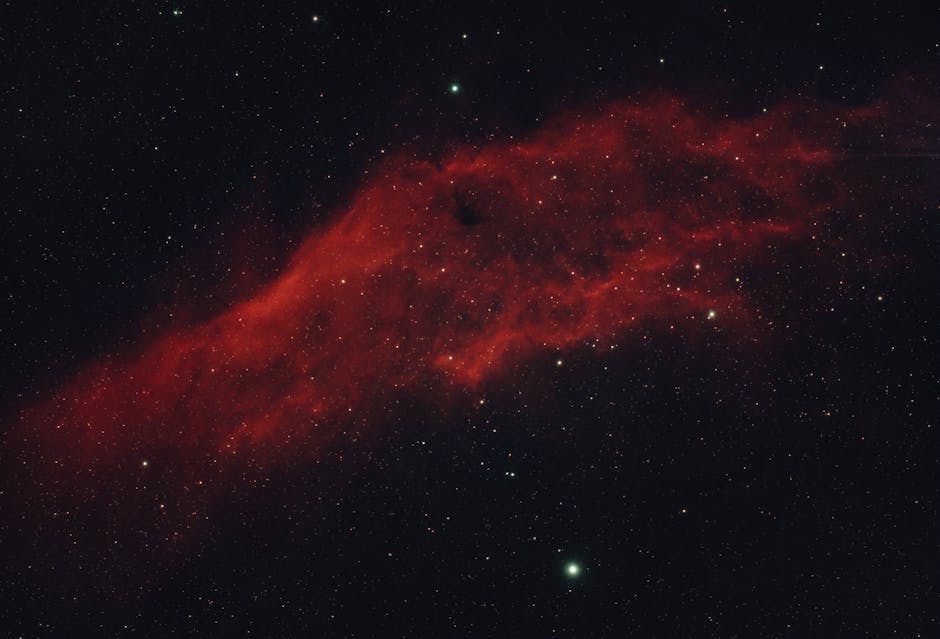
## Hubble Telescope Unlocks Secrets of Betelgeuse's Bizarre Behavior **Washington, D.C.** - In a stunning breakthrough for astrophysics, observations from the venerable Hubble Space Telescope have seemingly resolved one of the biggest mysteries surrounding the red supergiant star Betelgeuse. The star, famously known for its prominence in the constellation Orion, experienced a dramatic dimming period known as the “Great Dimming” between late 2019 and early 2020. This unexpected event sparked intense speculation among scientists and astronomy enthusiasts alike, with theories ranging from a stellar meltdown to a near-miss supernova. New data analyzed by NASA scientists, and published in the latest edition of *The Astrophysical Journal*, strongly suggests the Great Dimming was primarily caused by a massive ejection of dust. This dust cloud, formed from material shed by Betelgeuse, obscured a significant portion of the star’s light, leading to the noticeable decrease in brightness. The Hubble observations, coupled with analyses of the dust composition, have painted a clearer picture of the processes driving the star’s behavior. “We’ve essentially confirmed that the main culprit was a gargantuan dust cloud,” explains Dr. Anya Sharma, lead astrophysicist at the California Institute of Technology specializing in stellar evolution. “The data from Hubble, which gives us exquisite detail, shows that the dust was created very close to the star’s surface. This dust then cooled and blocked a significant portion of the star's light, which we could see here on Earth.” This incredible insight provided by Hubble is expected to significantly impact researchers' understanding of red supergiant stars and how they shed their outer layers, a crucial step in the process towards their ultimate demise as supernovas. This research can provide critical insights into cosmic processes that will help determine when these celestial bodies will explode. ## The “Great Dimming” Explained: A Stellar Dust-Up The Great Dimming saw Betelgeuse’s brightness decrease by a factor of more than two, a phenomenon that could be easily observed with the naked eye. While variable brightness is normal for a red giant, the magnitude of the dimming was unprecedented in recorded history. The exact cause was subject to numerous competing theories. The Hubble data reveals that a large portion of the star’s photosphere – its visible surface – cooled down before ejecting gas. The gas then cooled further, forming the large amount of dust that subsequently blocked light from the star. The specific mechanism driving this ejection is still under investigation, but it appears to be linked to large convective cells within the star's atmosphere. “The precise chain of events remains a point of investigation,” confirms Dr. Sharma. “But what’s clear is that something dramatic happened at a relatively local level on the star's surface.” The ability of Hubble to make such detailed observations, despite its age, underscores the continued importance of space-based observatories in advancing our understanding of the universe. This story is continually developing, and more information and analysis are expected to be released by NASA and related research teams in the coming months. This is another stellar story from the science sector.
Comments
Post a Comment