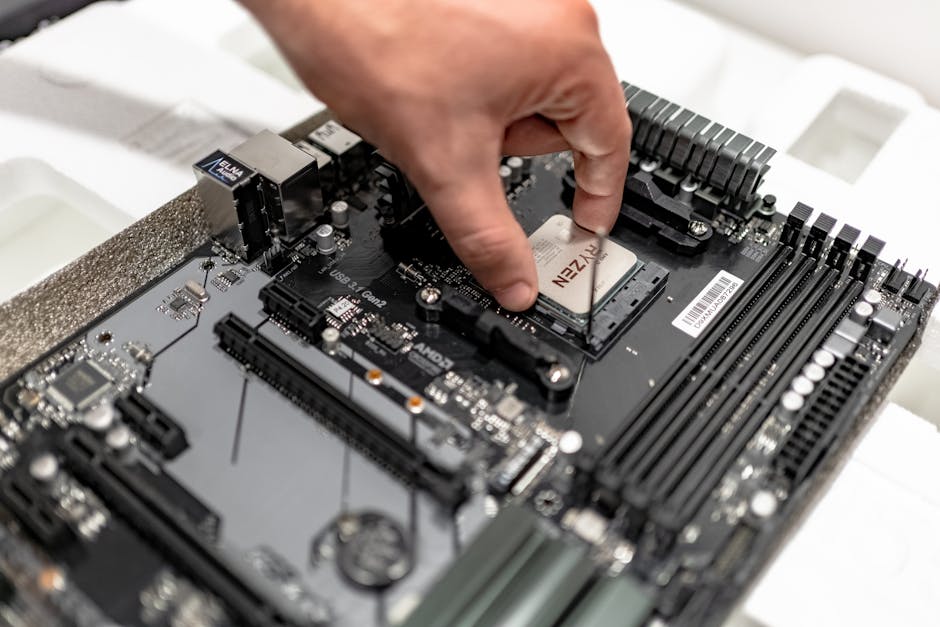
In a move that could redefine the handheld PC market, sources close to Intel are reporting plans for a custom-designed 'Panther Lake' CPU, specifically tailored for these increasingly popular gaming devices. This revelation, still developing in the tech world, signifies Intel’s direct investment in a burgeoning sector currently dominated by AMD’s Ryzen APUs. Handheld PCs, like the Steam Deck, ASUS ROG Ally, and Ayaneo devices, have exploded in popularity, offering a blend of PC gaming power and console-like portability. The current generation largely relies on AMD’s integrated graphics solutions, so an aggressive Intel play for market share would be a significant development and provide more choices to consumers. Intel's 'Panther Lake' is the codename for its next-generation architecture still under development, and the custom approach suggests a focused strategy aimed at maximizing performance per watt – the holy grail for handheld devices. The goal would be to deliver a strong gaming experience without draining the battery in minutes, something that has been the biggest barrier to widespread adoption of these devices. ## Custom Silicon: What Does This Mean for Handheld Gamers? The creation of a custom CPU isn't just about shrinking existing designs. It allows Intel engineers to fine-tune the processor's architecture, power consumption profiles, and integrated graphics to the specific demands of handheld gaming. This can translate to tangible benefits for gamers. "Designing a CPU specifically for handhelds is a smart move," explains independent hardware analyst, Sarah Chen. "It allows Intel to optimize for the unique constraints of this form factor. Expect to see improvements in battery life, thermal management, and potentially even graphics performance compared to processors that are simply 'ported down' from desktop or laptop lines." Chen added, speaking with a wry grin, "This could be the shot in the arm the handheld market desperately needs to solidify itself beyond the early adopters." The details are still scarce, but rumors suggest that the custom Panther Lake chip will feature advanced integrated graphics, potentially based on Intel's upcoming "Battlemage" architecture, or a derivative thereof. This is aimed to compete directly with existing AMD offerings, and offer a viable alternative to the current market leader. Early reports also indicate the custom chip will be smaller, leading to better thermals. ## The Competitive Landscape and the Future of Handheld Gaming This move puts Intel directly in competition with AMD, intensifying the battle for control of the handheld PC market which has been controlled by AMD's Ryzen APUs . The implication is not just about raw performance, but also about the ecosystem. Intel's potential partnerships with device manufacturers, their existing software support, and their marketing muscle give them potential advantages in this competitive scenario. The chip giant, historically, has been very aggressive and innovative. Whether this investment will translate into a significant lead for Intel remains to be seen. The success will depend on factors like performance in real-world games, battery life, pricing, and the ability of device makers to integrate the new processor. However, the confirmed development of a custom 'Panther Lake' CPU represents a serious commitment to the handheld PC space and could signal a major shift in the industry's landscape. Stay informed, as we continue to follow this developing tech story.
Comments
Post a Comment