WASHINGTON D.C. - In a dramatic escalation of geopolitical tensions, the Islamic Revolutionary Guard Corps (IRGC) has reportedly closed the Strait of Hormuz, a critical waterway for global oil transit. This development, confirmed by multiple sources monitoring maritime traffic, comes amidst heightened rhetoric between Tehran and Washington and a firm rejection of proposed talks by Iranian Supreme Leader Ali Khamenei.
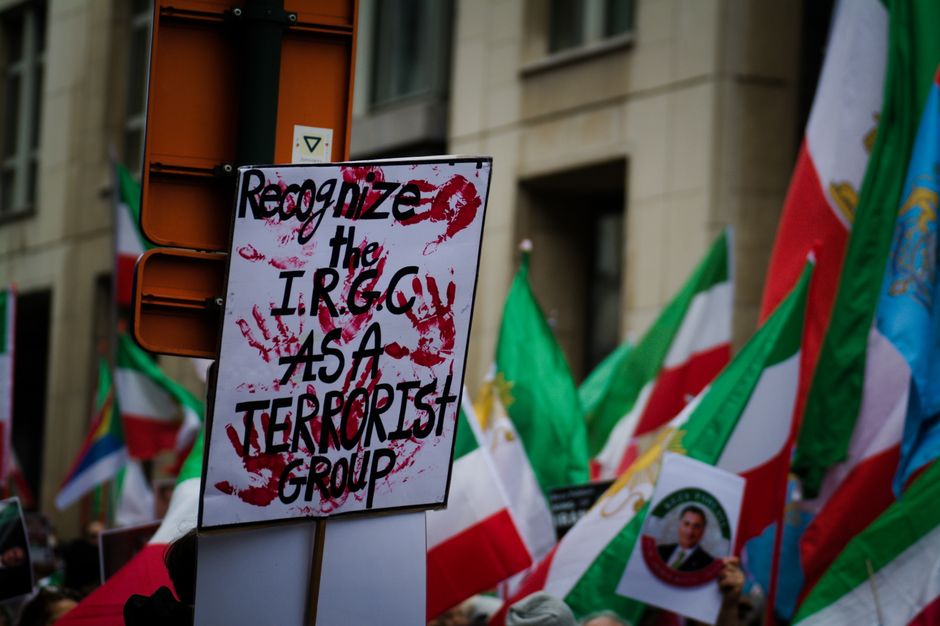
The closure of the Strait, responsible for approximately 20% of the world's oil supply, is already sending shockwaves through global markets. Brent crude futures are soaring, and analysts are predicting significant disruptions to international trade. The IRGC, designated a terrorist organization by the United States under the Trump administration, cited "security concerns" as the reason for the closure, but many see it as a direct challenge to US influence in the region.
Secretary of State Antony Blinken has condemned the action as "unacceptable and reckless," vowing to work with international partners to ensure the freedom of navigation in the Strait. The Pentagon has stated that US naval forces are closely monitoring the situation and are prepared to take necessary action to protect US interests and international maritime law. Defense Secretary Lloyd Austin is currently consulting with military advisors on potential responses.
The timing of this event is particularly significant, coinciding with ongoing discussions regarding Iran's nuclear program and the potential for renewed sanctions. Some experts, like Dr. Farah Peterson, a Middle East security analyst at the Council on Foreign Relations, believe this is a calculated move by Tehran to increase its leverage in future negotiations. The rejection of talks, personally endorsed by Khamenei, further complicates any immediate diplomatic solution.
Beyond traditional markets, the cryptocurrency space is also reacting. Some analysts suggest that geopolitical instability often drives investors towards decentralized assets like Bitcoin, perceived as a safe haven. However, others caution that increased risk aversion could lead to a broader market sell-off, impacting even crypto assets. The situation remains fluid, and its long-term consequences are yet to be fully understood. We will continue to provide updates as they become available.
Breaking News: FAQ & Quick Summary
What percentage of the world's oil supply passes through the Strait of Hormuz?
Approximately 20% of the world's oil supply transits through the Strait of Hormuz.
Why did the IRGC reportedly close the Strait of Hormuz?
The IRGC cited "security concerns" as the reason for closing the Strait of Hormuz.
Which US Secretary of State condemned the IRGC's actions?
Secretary of State Antony Blinken condemned the closure of the Strait.
Who is currently consulting with military advisors on potential responses?
Defense Secretary Lloyd Austin is currently consulting with military advisors.
What is the potential impact on cryptocurrency markets?
Some analysts believe geopolitical instability could drive investors to Bitcoin, while others caution increased risk aversion could lead to a market sell-off.
Stay tuned to Trend Plget News for live updates.



Comments
Post a Comment