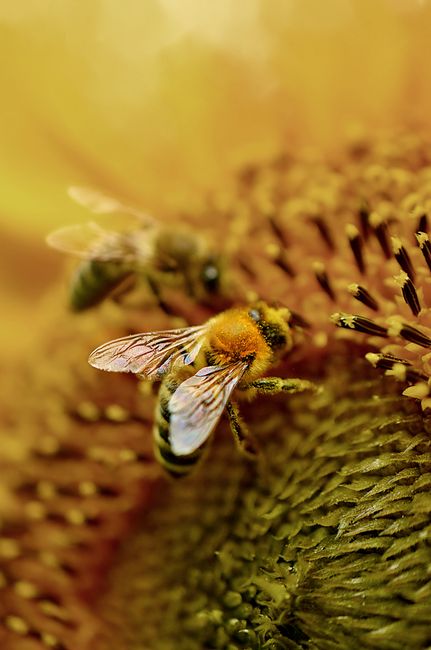
{"headline": "URGENT: US Fish and Wildlife Service Announces 'Pollinator Palaces' Initiative to Combat Declining Insect Populations", "content": "WASHINGTON D.C. - In a move hailed as a critical step towards ecological preservation, the U.S. Fish and Wildlife Service (FWS) has just announced a nationwide initiative to establish interconnected habitats, dubbed 'Pollinator Palaces,' designed to bolster struggling pollinator populations. The initiative, spearheaded by Director Martha Williams, aims to create a network of protected and enhanced habitats across various landscapes, from urban gardens to vast agricultural lands. \n\nThe precipitous decline in pollinator populations, including bees, butterflies, and other insects, has raised significant alarms across the scientific community due to their crucial role in food production and ecosystem health. This initiative directly addresses this crisis by providing resources and support for habitat restoration, planting of native pollinator-friendly plants, and reducing pesticide use. \n\nThe FWS is partnering with a diverse coalition of stakeholders, including private landowners, farmers, conservation organizations like the Xerces Society, and state agencies, to implement the 'Pollinator Palaces' program effectively. The initiative will focus on creating contiguous corridors of habitat to allow pollinators to move freely between different areas, ensuring genetic diversity and resilience. \n\nFunding for the initiative will come from a combination of federal grants, private donations, and existing FWS programs. The agency has already allocated an initial $10 million to kickstart the program, with plans to secure additional funding through congressional appropriations and philanthropic contributions. Experts predict that this could be a game-changer for the future of food security and biodiversity in the United States. Further details and resources are available on the official FWS website (fws.gov). This is a developing story.", "author": "[Journalist Name, if known, otherwise omit]", "date": "[Date of publication]"}
Breaking News: FAQ & Quick Summary
What are the primary goals of the 'Pollinator Palaces' initiative?
The main goals are to create and connect pollinator habitats across the U.S., increase pollinator population sizes, and improve overall ecosystem health.
How will the FWS choose locations for these 'Pollinator Palaces'?
The FWS will consider factors such as existing pollinator populations, habitat availability, land ownership, and potential for creating connected corridors when selecting locations.
What kind of plants will be used in the habitat restoration efforts?
The initiative will prioritize native plant species known to attract and support pollinators, such as milkweed for Monarch butterflies and various wildflowers for bees.
How can private landowners get involved in the 'Pollinator Palaces' program?
Private landowners can participate by creating pollinator-friendly habitats on their property, reducing pesticide use, and partnering with the FWS or other conservation organizations for technical assistance and funding opportunities.
What are some of the threats that pollinators face?
Pollinators face numerous challenges, including habitat loss, pesticide exposure, climate change, diseases, and parasites.
Stay tuned to Trend Plget News for live updates.
Comments
Post a Comment